Insights
Building a Pipeline of Future CTE Students
Building a Pipeline of Future CTE Students
Lessons from Delaware Area Career Center
By Emmy Beeson, Executive Director of Partnerships for Authentic Learning and Leadership
NOVEMBER 3, 2026
How can career-technical education (CTE) centers attract students from surrounding school districts? The answer starts before students are ready to choose a high school program. It starts with the educators who shape their understanding of learning, careers and future opportunities.
Delaware Area Career Center (DACC) in Delaware, Ohio, is working with Partnerships for Authentic Learning and Leadership to build those connections. Rather than relying solely on traditional recruitment, the partnership focuses on helping educators understand CTE’s value and bring career-connected learning into their own classrooms.
Turning Educators Into CTE Advocates
A variety of strategies have been used at DACC to engage general education teachers who serve students before they make decisions about CTE offerings. One of the central strategies is the Design Incubator, a professional learning experience that connects general education teachers with career-technical educators and business and industry partners.
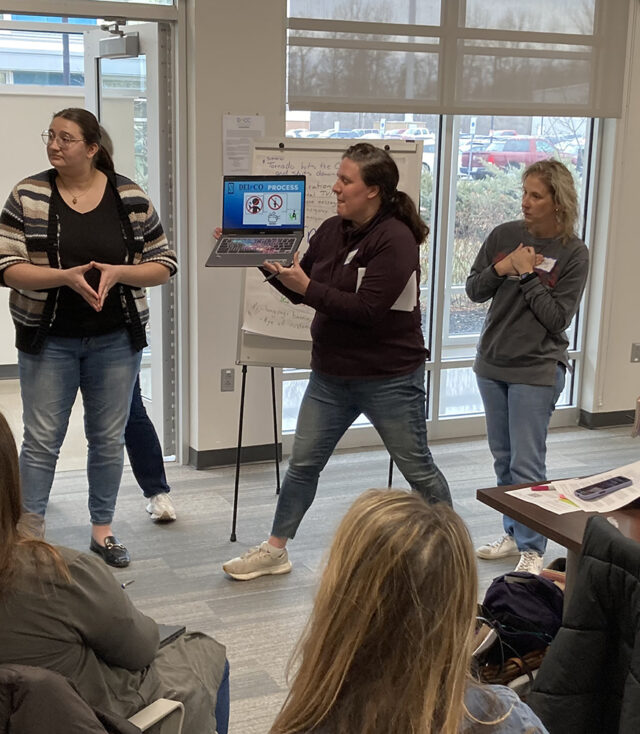
One format includes six virtual summer design sessions sponsored by DACC. Teachers from general education classrooms explore how to develop authentic, project-based curricula and leave the Incubator with projects they can use with students immediately. The teachers connect with career center staff as they design student learning, and the final session is hosted at the career center. This gives educators who might not otherwise visit DACC an opportunity to experience its programs and connect with its instructors.
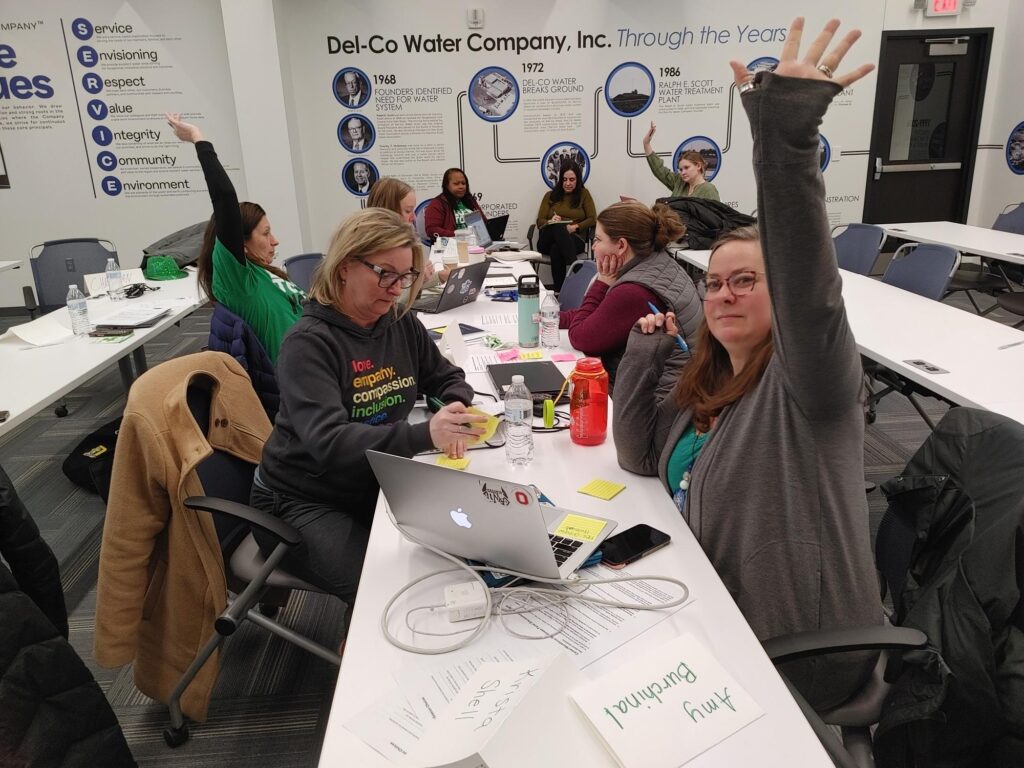
Another format is a three-day Design Incubator that brings teachers and industry partners together to explore how classroom instruction develops employable skills. Teachers travel to the career center, immerse themselves in its atmosphere and consider how real-world challenges can inform their curricula and help students understand the practical applications of what they are learning.
120
Approximately 120 teachers have participated in DACC’s approach over the last three years.
These educators otherwise might not have personally known the benefits of CTE or how to get students doing the work of adults while they are still in the classroom.
That reach matters. Each participating educator can carry new ideas and a better understanding of CTE back to their home district. Instead of career awareness resting solely with the career center’s recruitment team, a broader network of teachers can help students recognize connections between their interests, academic subjects and potential careers.
Build Relationships Beyond the Career Center
The Design Incubator model also helps strengthen relationships between DACC and the surrounding districts it serves.
General education teachers often have the greatest day-to-day influence on how students think about their abilities and futures. Yet without firsthand exposure to CTE, they may not know how to connect students with relevant programs or explain the range of opportunities available through technical education.
Bringing teachers together with career-technical educators and employers helps close that gap. Industry partners offer insight into workplace expectations and emerging career opportunities, while educators explore ways to incorporate those perspectives into classroom learning.
The result is a more connected regional approach to career readiness. Teachers can help students understand how their learning applies beyond school while introducing CTE as a pathway worth exploring, not a second choice to traditional academics.

Start Career Exploration Earlier
Building a pipeline of future CTE students also means reaching young people before high school enrollment decisions are on the horizon.
In addition to helping teachers implement authentic, future-focused learning in their day-to-day lessons, DACC has extended its outreach to elementary students through Career Tech Saturday, a hands-on event for students in grades three through five and their families. Activities introduce younger learners to career fields and technical skills, giving them opportunities to explore their interests before they need to make decisions about a specific pathway.

These early experiences complement the Design Incubator’s work with educators. Students gain opportunities to discover what interests them, while teachers become better equipped to connect classroom learning with real-world possibilities. Young students are then better able to make personal connections with the industries represented at Career Tech Saturday.
We have all experienced a career fair, but few of us have had deep frontloading and meaningful experiences as the backdrop to the career fair. DACC is changing that paradigm.
Together, these efforts help establish a progression from early career awareness to more informed decisions about high school programs and future opportunities.
A Shared Responsibility for Student Success
Attracting students to CTE is not simply a marketing challenge. It requires a network of educators, career centers and employers working together to make career pathways visible and relevant.
DACC’s partnership with Partnerships for Authentic Learning and Leadership demonstrates how investing in teachers can extend a career center’s influence beyond its own campus. Through the Design Incubator, educators gain practical strategies and industry connections they can bring back to their districts, helping more students understand the value of career-connected learning.
The goal is not just to get students through the doors of a career-technical center. It is to help them recognize the possibilities before they ever have to choose a path.